
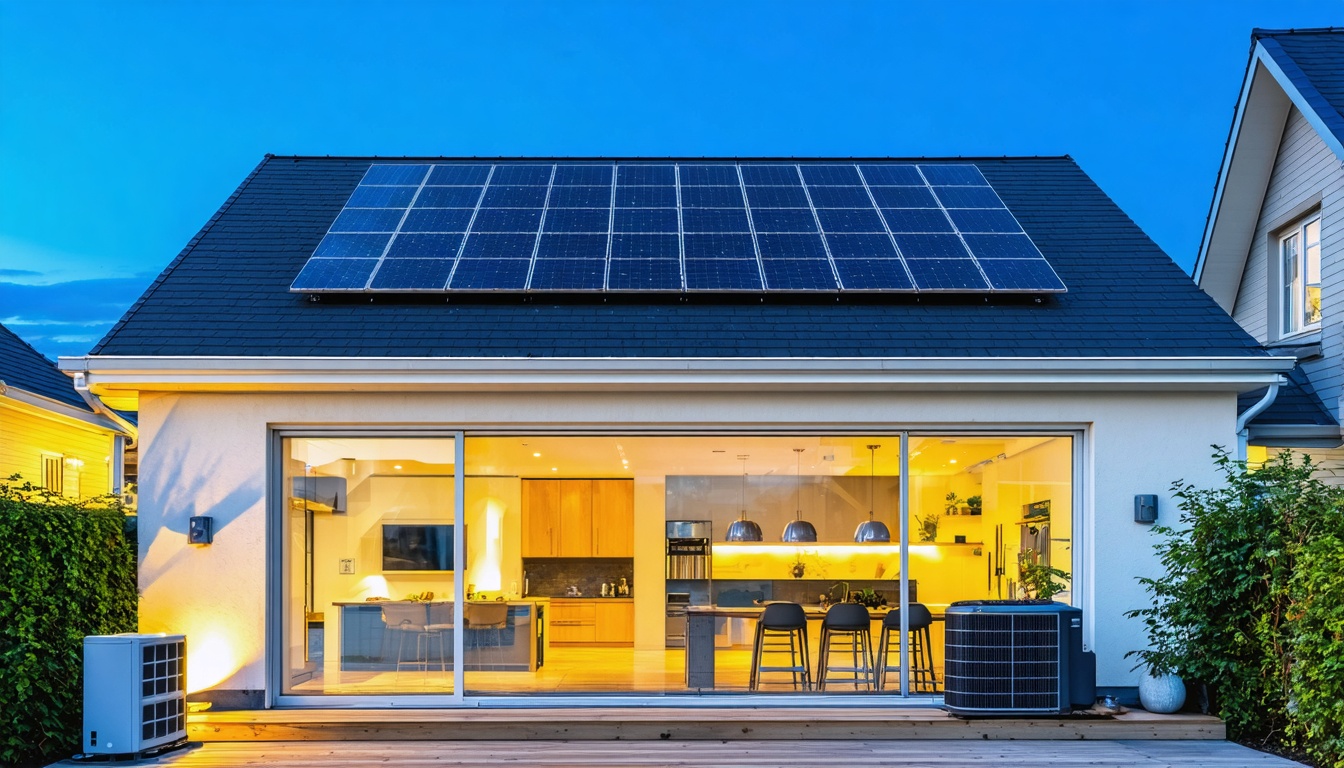
Home Energy Efficiency Improvements That Complement Solar Power
Investing in solar panels can lead to significant savings and an increase in home comfort, especially when paired with energy efficiency upgrades. Enhancements such as improved insulation, smart thermostats, and high-efficiency appliances can optimize energy usage, ensuring that each kilowatt generated by the solar system is utilized effectively. This can lead to reduced utility bills and a more stable indoor environment throughout the year. Before implementing these improvements, it is necessary to consider several steps that can enhance the performance of a solar energy system. Prioritizing energy efficiency measures can help in maximizing the financial and environmental benefits of solar power. Additionally, certain upgrades may qualify for governmental or local incentives, which could further reduce overall investment costs. In summary, integrating energy efficiency improvements with solar energy installations is a strategic approach that can yield economic and comfort benefits, while also contributing to sustainability goals.
Enhancing Home Insulation and Sealing Air Leaks
Enhancing home insulation and sealing air leaks are critical factors in increasing energy efficiency, particularly when installed alongside solar panels. Improvements in insulation and air sealing can lead to a substantial reduction in heat loss, promoting a more consistent indoor temperature across seasons.
Common enhancements include the installation of high-efficiency windows and the use of Smart Thermostats.
In the United States, homeowners may qualify for a federal tax credit of up to $1,200 for these energy-efficient improvements. Reducing energy loss through better insulation and air sealing can enhance the overall efficiency of solar panels and result in cost savings on electric and natural gas bills.
Additionally, these upgrades can contribute to a decrease in carbon emissions.
It is recommended that homeowners consult with professionals to ensure that insulation and sealing modifications are performed correctly and adhere to established energy efficiency standards.
Upgrading to Energy-Efficient Appliances
Upgrading to energy-efficient appliances presents a viable method for reducing household energy consumption, especially when integrated with solar energy systems. Appliances that feature the Energy Star certification, including heat pump water heaters and various electric devices, are designed to maximize efficiency and can lead to financial savings over time.
Recent federal tax incentives allow homeowners to benefit from significant savings, potentially amounting to $1,200 annually when implementing these upgrades. By adopting energy-efficient appliances, homeowners can mitigate their carbon footprint and promote sustainable environmental practices.
Additionally, these upgrades are often associated with enhanced indoor air quality and increased comfort levels within the home.
Moreover, the combination of energy-efficient appliances with solar panels can optimize energy consumption in residential environments. Homeowners are encouraged to consult local energy providers to explore available incentives and address common queries, thereby facilitating a more seamless transition to energy-efficient solutions.
Installing Smart Thermostats for Better Energy Management
Smart thermostats present a practical solution for improving energy management in residential settings. They are engineered to learn and adapt to individual heating and cooling preferences, potentially leading to more efficient household energy usage. Their performance can be enhanced when combined with solar panels, as both technologies work towards energy conservation.
Many smart thermostat models are ENERGY STAR certified, signifying compliance with specific efficiency standards. Homeowners in the United States might also take advantage of federal tax credits designed to reduce the initial investment for these devices.
To optimize the benefits of smart thermostats, homeowners can consider various improvements, such as upgrading windows to minimize heat loss, sealing air leaks for better insulation, and programming the thermostat to regulate energy consumption effectively during peak solar energy production times.
By integrating smart thermostats within home energy systems, homeowners can recognize noticeable reductions in energy expenses, maintain comfortable indoor conditions, and contribute to a decrease in greenhouse gas emissions.
These elements are consistent with broader sustainability initiatives and support environmentally responsible practices in residential energy management.
Switching to Electric Heat Pump Water Heaters
Transitioning to an electric heat pump water heater offers an opportunity to enhance energy efficiency in residential settings, particularly when paired with solar energy systems. ENERGY STAR-certified models are designed to use up to 60% less electricity than traditional water heaters, which can help minimize heat loss and promote a more energy-conscious household.
From a financial standpoint, this upgrade may result in annual energy cost savings estimated at around $400. Furthermore, homeowners in the United States might qualify for a federal tax credit of up to $2,000, which can improve the economic feasibility of this transition.
On the environmental front, reducing reliance on natural gas has the potential to decrease a household's carbon footprint while also improving indoor air quality.
For those considering this change, it is advisable to consult with a qualified professional to ensure proper understanding and implementation of heat pump water heating systems.
Maximizing Federal Tax Credits and Incentives
Federal tax credits serve as a financial mechanism that allows homeowners to mitigate the initial costs associated with solar installations and energy-efficient home improvements. Homeowners who implement enhancements, such as the installation of solar panels, electric heat pumps, ENERGY STAR-certified windows, smart thermostats, or efficient water heaters, may qualify for a federal tax credit of up to 30% of the total installation costs. This credit effectively lowers the net expense incurred for these improvements.
These credits are accessible for qualifying upgrades made through 2025, necessitating the use of IRS Form 5695 for the tax year in which the improvements are made. It is essential for homeowners to plan their projects carefully, as a variety of upgrades, including enhancements to insulation and the installation of new heating systems, also qualify for these financial incentives.
Engaging with established service providers can assist homeowners in adhering to relevant regulations and potentially maximizing savings throughout the home improvement process. This pragmatic approach not only provides immediate financial relief but also supports ongoing energy efficiency and long-term savings on utility costs.
Integrating Solar Panels with Energy Efficient Upgrades
For homeowners in Fort Worth looking to enhance their property value, integrating Residential Solar Panels in Fort Worth with energy-efficient upgrades can potentially reduce electricity consumption.
Energy-efficient enhancements may involve the installation of Energy Star-rated windows, heat pumps, improved insulation, and smart thermostats. These upgrades address common issues in U.S. homes such as air leaks, hot water losses, and heat loss, which collectively contribute to higher energy bills.
Combining solar energy systems with energy-efficient appliances—like heat pump water heaters or transitioning away from natural gas—can help maximize long-term financial savings.
Furthermore, federal tax credits are available to help offset the initial costs associated with both solar panel installations and energy-efficient enhancements.
Consultation with professionals in the field, along with reviewing Frequently Asked Questions concerning solar technology and energy efficiency, is advisable.
This process can help ensure that the systems implemented contribute to both improved indoor air quality and a well-optimized investment.
Conclusion
Improving a home's energy efficiency can lead to a decrease in energy bills and enhance the overall effectiveness of solar energy systems. Key measures include proper insulation, the upgrade of appliances to more efficient models, and the integration of smart technology to optimize energy use. These measures help to minimize energy waste and enhance the comfort of living spaces. When paired with solar panels, energy-efficient upgrades can lead to substantial financial savings by decreasing the amount of energy that needs to be sourced from the grid. Homeowners should also consider available financial incentives, such as tax credits or rebates, which can further reduce the initial investment in energy efficiency improvements and solar installations. In summary, a concerted effort to enhance energy efficiency not only maximizes the benefits of solar energy systems but also contributes to the long-term value of a property.